
Why Raleigh Dentists Are Worth Choosing Carefully

Finding the right dental provider shapes your long-term oral health in ways most people underestimate. A dentist who listens, uses modern techniques, and makes you feel genuinely comfortable transforms what many consider a dreaded obligation into a straightforward part of taking care of yourself. The choice you make today can determine the quality of your smile for years to come.

The Dentist You Pick Changes Everything

Settling for whoever is closest or most convenient often leads to inconsistent care, rushed appointments, and treatment plans that do not truly reflect your needs. When it comes to Raleigh dentists, patients who take the time to evaluate their options walk away with healthier teeth, stronger relationships with their providers, and far fewer surprises down the road.

Consistency Builds a Foundation for Healthier Teeth

First and foremost, seeing the same dentist regularly over time creates a level of continuity that is genuinely difficult to replace. A provider who knows your dental history, understands your sensitivities, and tracks changes in your oral health over multiple visits is far better equipped to catch problems early and tailor treatment to your specific situation. That ongoing familiarity leads to more accurate diagnoses and more personalized care across every appointment.

Modern Tools Make a Real Difference in Your Experience

Furthermore, the technology a dental practice invests in directly affects the accuracy and comfort of your treatment. Digital X-rays reduce radiation exposure while producing sharper, more detailed images. Intraoral cameras allow your dentist to show you exactly what they are seeing inside your mouth, making it easier to understand your treatment options. Practices that stay current with dental technology tend to deliver faster, more precise care with fewer follow-up visits needed.

A Comfortable Environment Encourages You to Stay on Schedule

Another factor that significantly influences your oral health is how you feel walking through the front door. Dental anxiety is incredibly common, and many people delay or avoid necessary care simply because past experiences left them feeling rushed, dismissed, or uncomfortable. A welcoming practice that prioritizes your comfort, explains procedures clearly, and moves at a pace that respects your concerns makes it far easier to keep up with routine visits before small issues become costly problems.

Broad Services Under One Roof Save Time and Simplify Care

Finally, choosing a dentist who offers a comprehensive range of services means you spend less time coordinating between multiple providers. Whether you need preventive cleanings, cosmetic improvements, restorative work, or orthodontic evaluations, having those services available in one familiar place simplifies your dental care considerably. It also means your provider develops a complete and accurate picture of your oral health rather than seeing only one isolated piece of it.

Conclusion: The Dentist You Pick Changes Everything

To bring it all together, the right dental provider offers consistent care, invests in modern tools, creates a genuinely comfortable experience, and delivers a broad range of services that cover your needs as they evolve. These qualities are what separate a practice that simply fills appointments from one that actively supports your long-term oral health. Take the time to find a dentist in Raleigh who meets these standards, and your smile will reflect that decision for years to come.
The Stages of Periodontal Disease and How Each Is Treated 

Periodontal disease, also known as gum disease, is more common than you might think—and it can sneak up on you if you’re not paying attention. Fortunately, understanding its stages can help you take action before things get serious. From mild inflammation to advanced damage, each phase of periodontal disease comes with its own symptoms and treatment options.  

How Dental Professionals Treat Each Stage of Periodontal Disease 

Let’s walk through the stages and explore how dental professionals conduct perio disease treatment, Pittsburgh, PA

Stage 1: Gingivitis – The Early Warning 

Gingivitis is the mildest and most reversible stage of periodontal disease. At this point, the gums may appear red, swollen, or bleed easily during brushing or flossing. However, there’s usually no pain, which can make it easy to ignore. 

The good news? Gingivitis is completely treatable with professional dental cleanings and improved at-home oral hygiene. Brushing twice a day, flossing daily, and visiting your dentist regularly can often reverse this stage entirely. 

Stage 2: Early Periodontitis – When Damage Begins 

If gingivitis isn’t treated, it can progress to early periodontitis. At this point, the inflammation starts affecting the bone and connective tissue that hold your teeth in place. You might notice persistent bad breath, receding gums, or increased sensitivity. 

Treatment now becomes a bit more involved. Dentists often recommend a deep cleaning procedure known as scaling and root planing. This removes plaque and tartar below the gumline and smooths root surfaces to help gums reattach to teeth. Consistent follow-up care is crucial to stop further damage. 

Stage 3: Moderate Periodontitis – Worsening Symptoms 

As periodontal disease advances, symptoms become more noticeable. Gums may continue to recede, and pockets around the teeth deepen, trapping more bacteria. Teeth might feel slightly loose, and chewing could become uncomfortable. 

At this stage, more intensive treatments are needed. In addition to deep cleaning, your dentist might suggest localized antibiotics or antimicrobial rinses to fight infection. In some cases, surgical options such as flap surgery may be necessary to clean deep pockets and reduce their size. 

Stage 4: Advanced Periodontitis – Severe Damage 

In the final stage of periodontal disease, the damage becomes extensive. Teeth may shift, become very loose, or even fall out. Bone loss in the jaw is common, and infection can spread beyond the gums. 

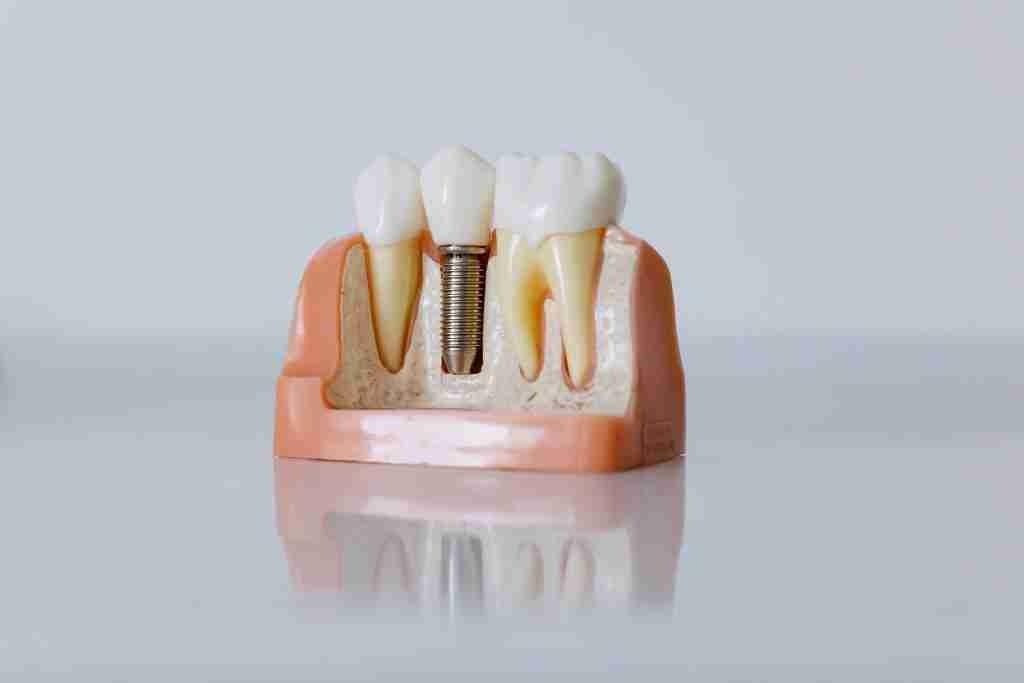
Treating advanced periodontitis often requires a team approach involving periodontal surgery, bone grafts, and possibly tooth replacement solutions like implants or dentures. Even though the damage is serious, timely intervention can still help stabilize your oral health and prevent further complications. 

Prevention and Maintenance Matter Most 

Regardless of the stage, regular dental visits and strong oral hygiene habits are essential. Once you’ve had any form of periodontal disease, you’re more likely to develop it again. That’s why maintenance cleanings—usually more frequent than standard checkups—are often recommended to keep bacteria in check and protect your gums. 

Conclusion: How Dental Professionals Treat Each Stage of Periodontal Disease 

Periodontal disease doesn’t develop overnight, but it can progress quickly if ignored. The earlier it’s caught, the easier and less invasive the treatment will be. Whether you’re noticing early signs like bleeding gums or dealing with more advanced issues, talk to your dentist. With the right care, you can protect your gums, preserve your teeth, and keep your smile healthy for years to come.