
The electrical systems that power commercial properties operate under a completely different set of demands, standards, and regulatory requirements than those found in residential settings. Higher voltage systems, complex load calculations, stringent code compliance obligations, and the operational consequences of electrical failures in a business environment all combine to make commercial electrical work a specialized discipline that requires a fundamentally different level of training, experience, and technical capability than residential work alone.
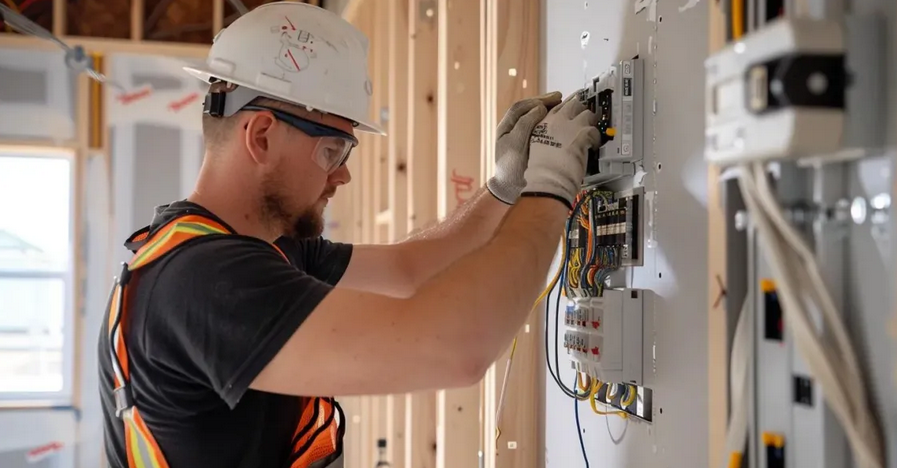
What Business Owners Should Know Before Hiring a Commercial Electrician
The electrician you choose for your commercial property directly affects the safety of your building, the reliability of your operations, and your compliance with the regulatory standards that govern commercial electrical installations. Business owners searching for a qualified commercial electrician Charleston SC deserve to understand what genuine commercial electrical expertise looks like and why settling for less creates risks that no business can afford to take lightly.
Commercial Electrical Codes Are More Complex Than Residential Standards
First and foremost, commercial electrical installations are governed by a significantly more complex set of code requirements than residential work, and navigating those requirements accurately demands specialized knowledge that not every electrician possesses. The National Electrical Code establishes the baseline for commercial installations, but local amendments, occupancy-specific requirements, and industry standards for particular business types layer additional complexity onto every project.
Three Phase Power Systems Require Specialized Knowledge
Furthermore, most commercial properties operate on three phase power systems that distribute electrical load across three conductors in ways that improve efficiency, support heavy equipment, and reduce the strain on individual circuits that single phase residential systems cannot match. Installing, troubleshooting, and modifying three phase systems requires a level of technical understanding that goes well beyond residential electrical training.
Electrical Failures in Commercial Settings Carry Higher Stakes
Another dimension that distinguishes commercial electrical work from its residential counterpart is the magnitude of consequences when something goes wrong. A residential electrical failure is disruptive and potentially dangerous, but a commercial electrical failure can halt operations, compromise inventory, trigger regulatory scrutiny, and generate liability exposure that affects the entire business. The cost of an hour of downtime in a commercial setting almost always exceeds the cost difference between hiring a genuinely qualified commercial electrician and cutting corners with someone less experienced.
Planned Maintenance Protects Commercial Electrical Systems Long Term
Finally, commercial electrical systems require a proactive and scheduled maintenance approach that most business owners underinvest in until a significant failure forces the conversation. Thermal imaging inspections that identify overloaded connections before they fail, regular testing of emergency lighting and backup power systems, panel inspections that catch deteriorating components early, and periodic load assessments that ensure the system is keeping pace with the evolving electrical demands of the business are all components of a maintenance program that protects both the physical infrastructure and the operational continuity of the business it serves.
Conclusion: What Business Owners Should Know Before Hiring a Commercial Electrician
To bring it all together, commercial electrical work demands specialized expertise, deep familiarity with complex code requirements, hands-on experience with three phase systems, and a genuine understanding of what electrical reliability means in a business environment. The stakes in commercial settings are simply too high for anything less than qualified, experienced, and genuinely committed professional service.
Recent Comments